The former Dossin Barracks is now a Memorial. It is a peaceful place of remembrance and
reflection where we not only pay tribute to the victims, but also honour their memory with
dignity. It is where you will find the last traces of the victims.
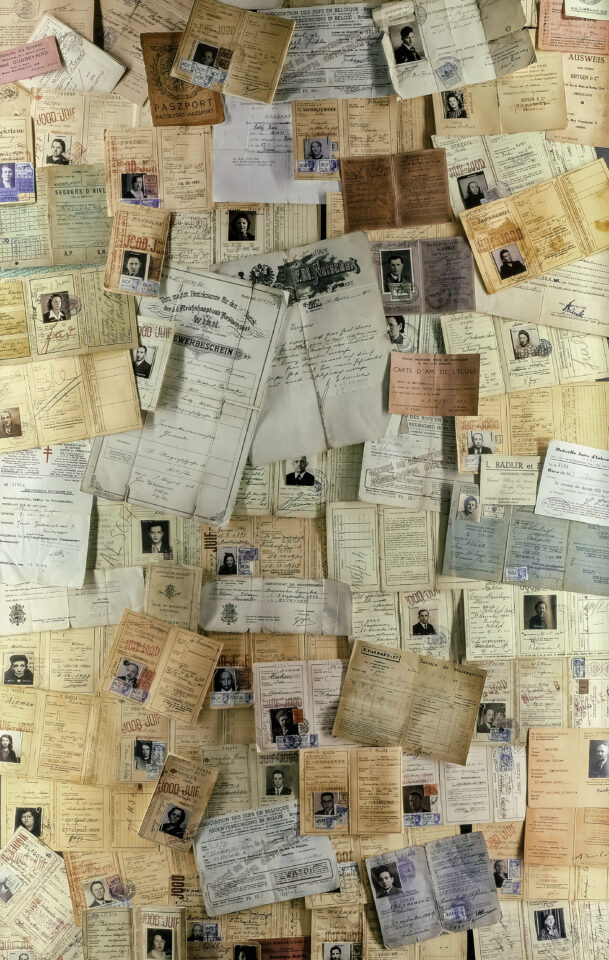
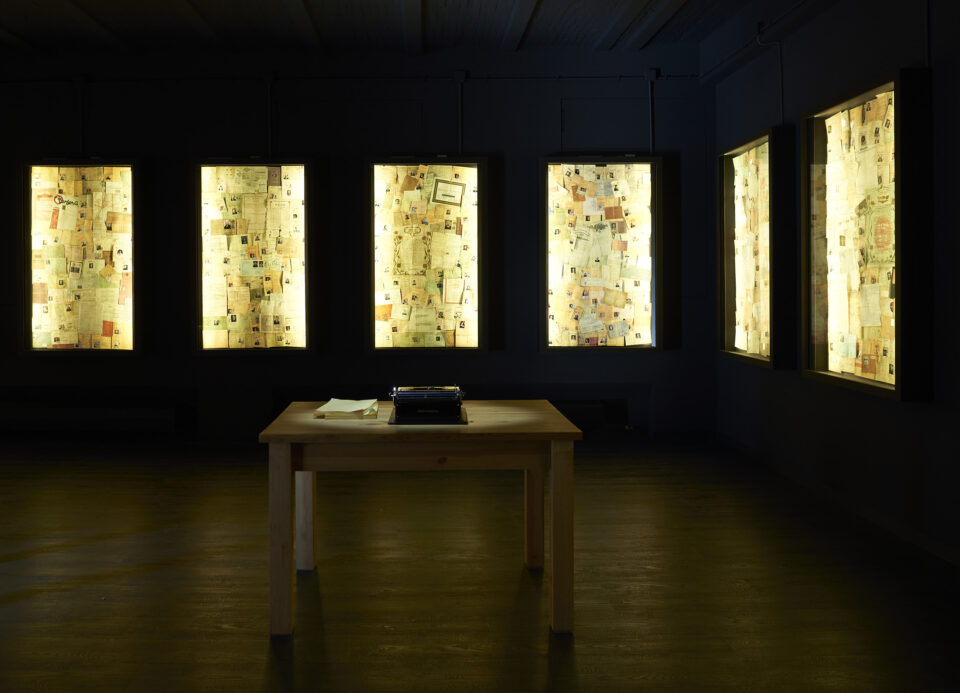
When you open the door to the Memorial, you will be met by the gaze of many piercing eyes.
They are the faces of people who were deported from the Dossin Barracks to Auschwitz.
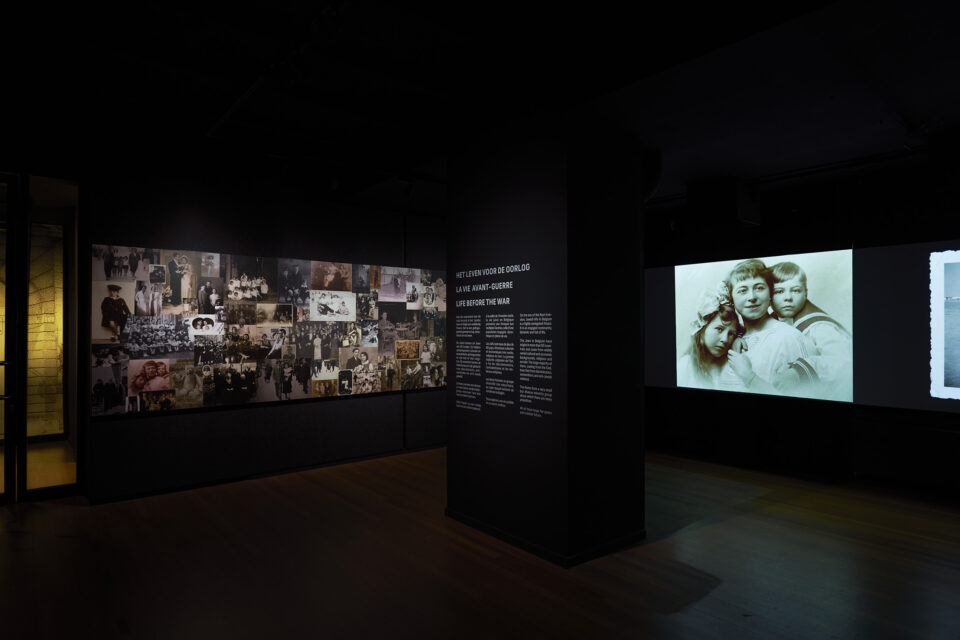
The first room will give you an insight into pre-war Jewish life in Belgium using photographs
and video footage; a committed community, dynamic and full of life. Everyone had their own
story, their own dreams and expectations. The Sinti and Roma also fell victim to the Nazis.
They were a diverse and small minority group in Belgium.
From 1942 onwards the Jewish population in Belgium was rounded up or arrested and taken
to the Dossin Barracks in Mechelen. Later, the Sinti and Roma suffered the same fate. In
this ‘waiting room of death’, Jews, Sinti and Roma were deprived of their freedom in
degrading conditions.
At the Memorial, you will hear and see how their identities were taken away and replaced
with a number. For some the wait at the Dossin Barracks lasted a day or a week; for others it
lasted months. Everyone tried, in their own way, to escape the worst. You can listen to
personal stories via audio clips. Letters written to loved ones, friends or family provide a
poignant account of this dark period in history.
In the cellar the names of those who were deported are proclaimed. Not only does this defy
the anonymisation of the victims, it also runs counter to the Nazis’ ultimate goal of ‘restloze
Vernichtung’ or total annihilation: a destruction that would leave absolutely no trace.
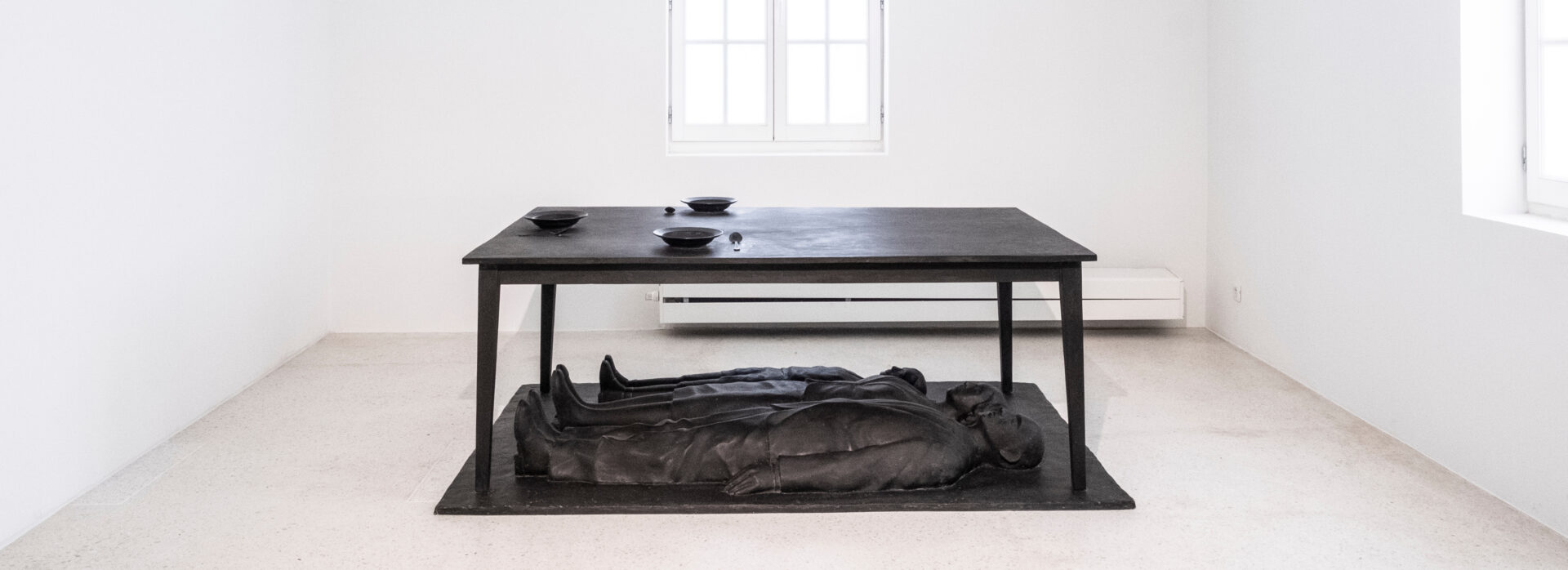
The Memorial gives the victims a face again. The children’s room displays portraits of
children who were deported from the Dossin Barracks. It also includes a memorial stone
which invites you to engage in quiet reflection and an eternal candle burning in honour of all
the victims.